
Since the dawn of cinema, book-to-Movie adaptations have played a huge role in shaping Hollywood and Pop culture. And filmgoers always seem to flock to new Hollywood film-adaptations just because of their fondness for some specific novels, even so sometimes the films were so successful commercially that they overshadow their origins and people forget the source material.
Here are fourteen films you probably didn’t know are based on books.
Red Sparrow
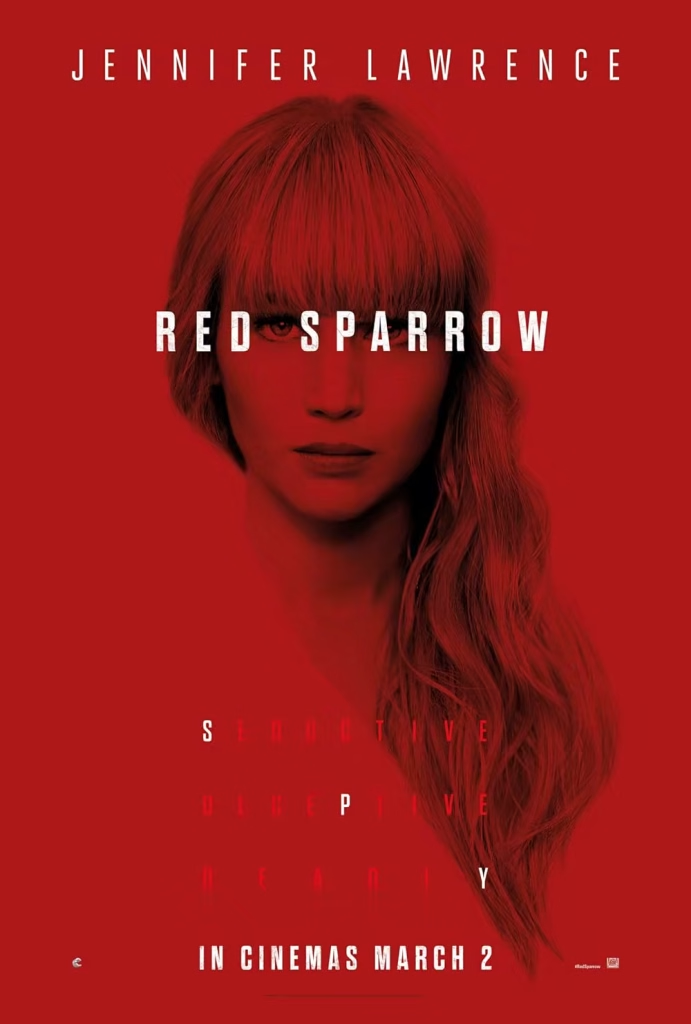
The iconic character that was played by Jennifer Lawrence didn’t just originate from a group of screenwriters. It was actually based upon a former CIA Intel officer’s book, Jason Matthews, who worked for the agency for 33 years before retiring in 2010. He wrote the novel during his time in the CIA, and it was published in 2013. The movie was so unduly disturbing and did very well that people forgot about the novel. As the first installment in the Red Sparrow Trilogy, the novel sets the stage for a gripping saga that explores the tumultuous relationship between Egorova and Nathaniel Nash.
Nash, a CIA officer entangled in a perilous dance of secrets and betrayal. Through the eyes of Dominika Egorova, a ballerina-turned-spy, readers are thrust into a realm of deception, manipulation, and danger.
Jaws
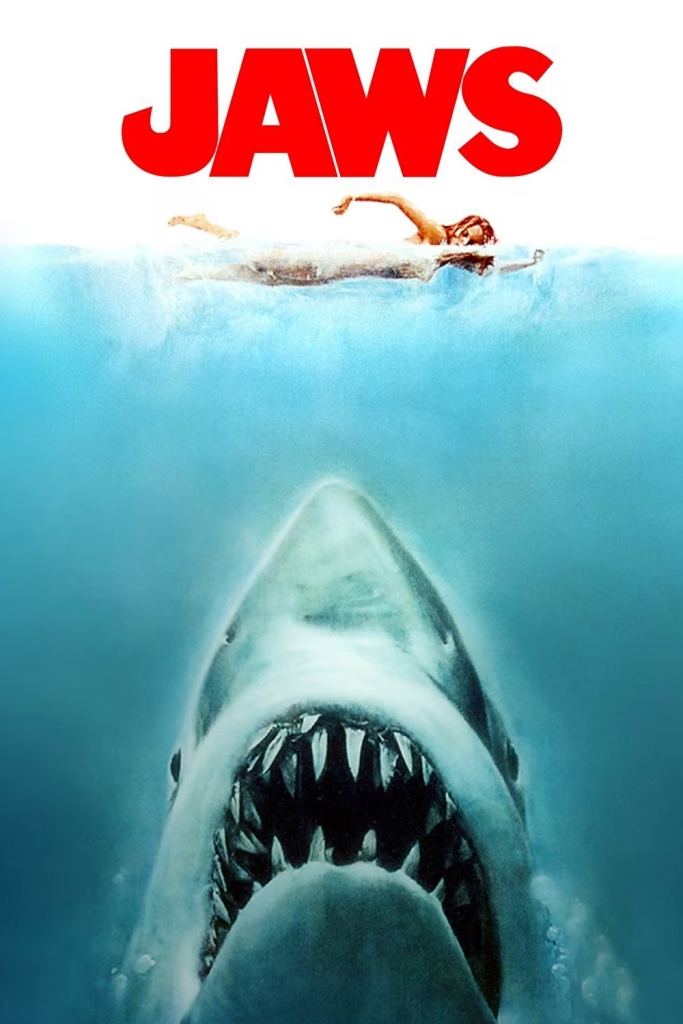
Yep you’ve heard it, the movie Jaws was based on a book of the same name, which was written by Peter Benchley. The book was first published in 1974, a year before Spielberg’s blockbuster hit screens. It’s hailed as a cinematic gem, but here’s the kicker: Benchley, the brains behind the novel, wasn’t all giddy about the film’s finale. The director was so upset with the movie ending that he became an ocean conservationist. Initially, he was excited about the project and even worked on early versions of the script.
However, as the movie was being made, he became increasingly critical of the changes that were being made to his story. Benchley lamented the movie’s inaccurate portrayal of the shark as it was not as scientifically accurate as he had imagined it in the book. and the neglect of weighty themes like ocean pollution. To set the record straight, he wrote “Shark Trouble”, aiming to school folks on sharks’ true essence and their vital role in marine ecosystems.
Shawshank Redemption
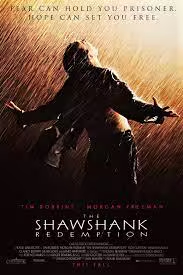
Rita Hayworth and Shawshank Redemption, nestled within Stephen King’s anthology Different Seasons, is a novella that often escapes the spotlight of King’s more famous horror tales. Frank Darabont’s decision to adapt this novella into The Shawshank Redemption speaks volumes about the narrative’s timeless appeal. Darabont’s admiration for King’s work is palpable, as he skillfully translates the novella’s essence onto the screen, capturing its emotional depth and gripping storytelling.
While the film stays faithful to its source material, Darabont injects subtle nuances and twists, enriching the cinematic experience for both avid readers of the novella and newcomers alike. The Shawshank Redemption continues to stand tall as a beacon of cinematic excellence, its impact reverberating through generations, solidifying its status as an indispensable cornerstone of American cinema.
Die Hard
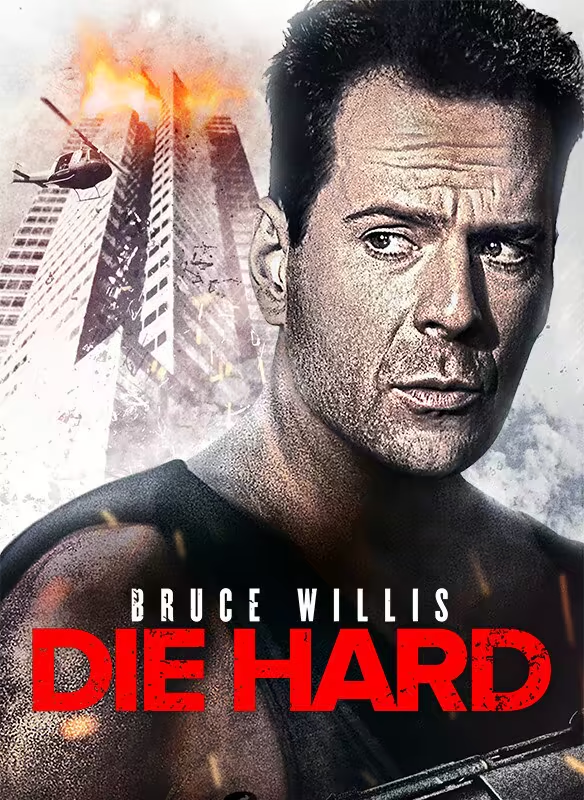
The story takes its roots from a book by Roderick Thorp Nothing lasts forever. Although the plot is similar, the characters, some plot details are different. Roderick Thorp’s novel lays the groundwork for the adrenaline-fueled narrative that captivates readers with its gripping tale of Joe Leland, a seasoned New York cop who has to save hostages in a skyscraper taken over by a terrorist group led by a former cop. The story is set in the same genre and some details like McClane being a cop, terrorist attack on a skyscraper, a lone hero fighting the terrorist are similar.
While the film stays faithful to its source material, Darabont injects subtle nuances and twists, enriching the cinematic experience for both avid readers of the novella and newcomers alike. The Shawshank Redemption continues to stand tall as a beacon of cinematic excellence, its impact reverberating through generations, solidifying its status as an indispensable cornerstone of American cinema.
Mrs. Doubtfire
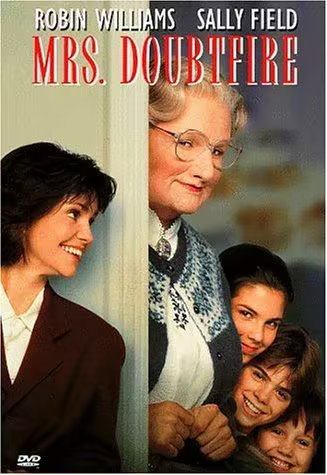
Anne Fine’s Madame Doubtfire serves as the unexpected source material for the iconic 90s comedy, Mrs. Doubtfire. In this charming novel, Fine crafts a poignant tale of family dynamics and the lengths one father will go to remain close to his children. The narrative follows the same trajectory as the film adaptation, depicting a divorced father who ingeniously disguises himself as a nanny to spend time with his kids amidst a custody battle. Fine’s storytelling prowess shines through as she navigates themes of love, loss, and the complexities of modern family life with both humor and heart.
While the film stays faithful to its source material, Darabont injects subtle nuances and twists, enriching the cinematic experience for both avid readers of the novella and newcomers alike. The Shawshank Redemption continues to stand tall as a beacon of cinematic excellence, its impact reverberating through generations, solidifying its status as an indispensable cornerstone of American cinema.
Forrest Gump
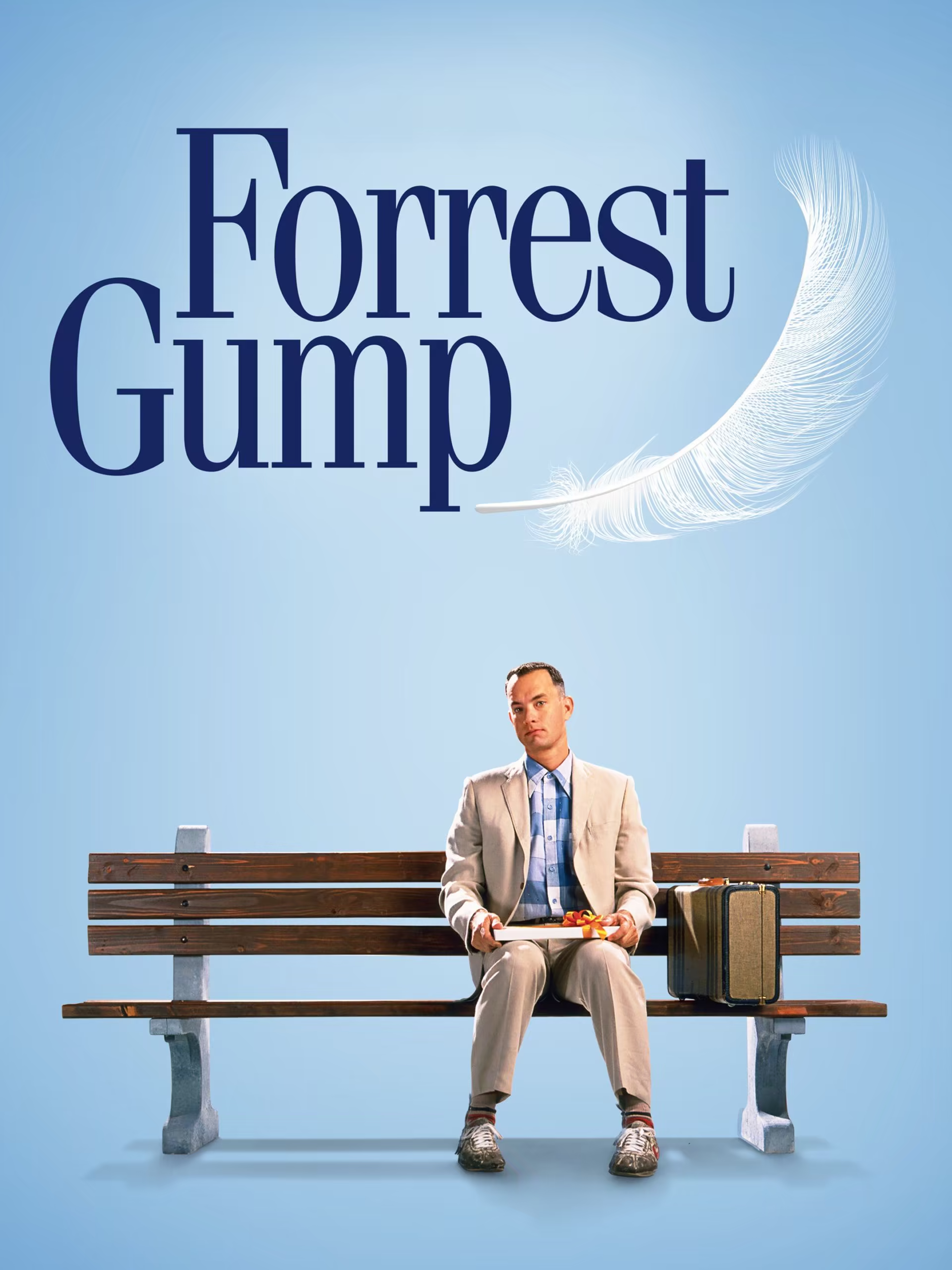
Yes, I am also very shocked that this cult classic started out as a book. You’d often hear stories like this when you’re randomly strolling in a local library. While the movie and the book bear the same title, characters, and basic plot, their paths diverge significantly. Winston Groom’s novel offers a darker, more satirical take on Forrest’s adventures, infusing the narrative with a sharp comedic edge that contrasts with the film’s heartwarming tone. This tonal disparity adds depth to the story, revealing new layers of humor and complexity.
While Tom Hanks’s portrayal undoubtedly elevated Forrest Gump to iconic status on screen, the book’s distinct voice and unique perspective remind readers of the richness found within its pages, ensuring its place as a literary classic in its own right.
GoodFellas
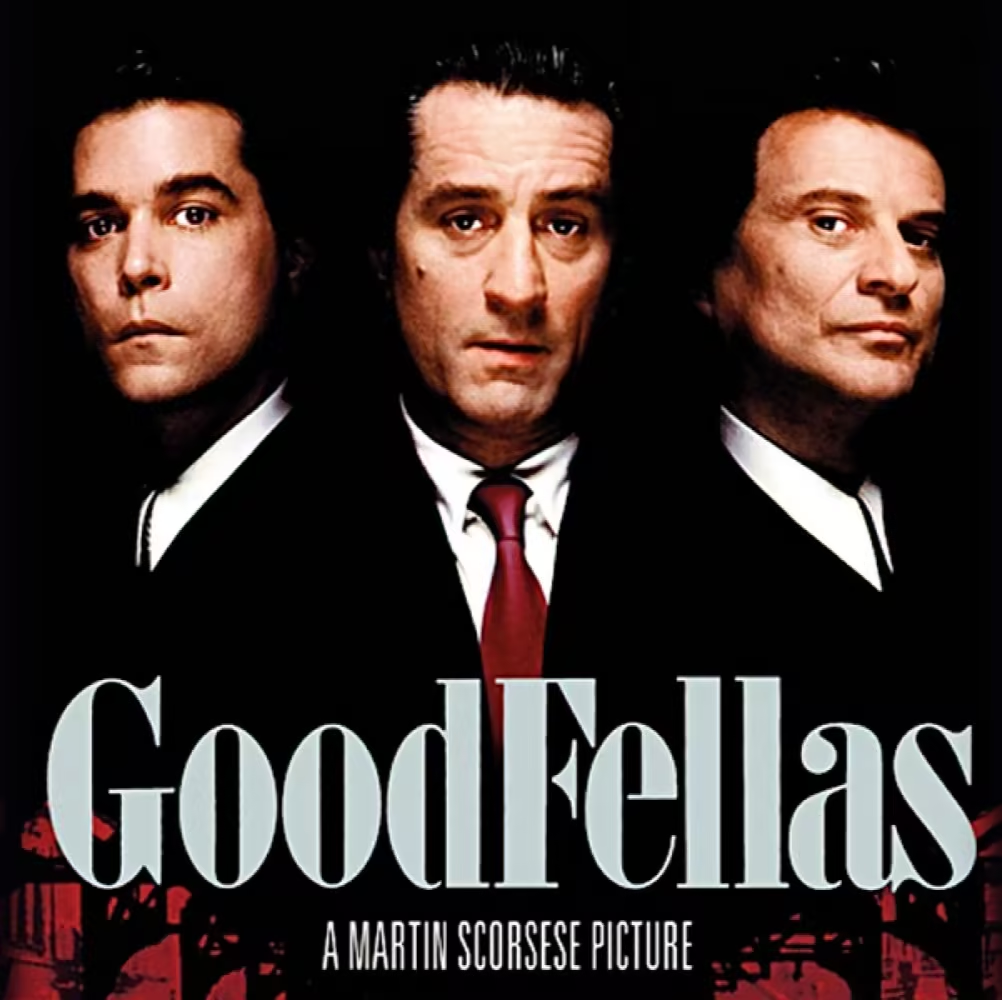
Back in 1990, audiences were treated to the unforgettable cinematic experience of Goodfellas, but the real story behind this mafia masterpiece is even more gripping. It all stems from the pages of a non-fiction book penned by journalist Nicholas Pileggi, titled Wiseguy: Life In A Mafia Family. This riveting account dives into the tumultuous life of Henry Hill, a former mafia insider turned informant, as he navigates the treacherous underworld while striving to untangle himself from his criminal past.
When the visionary director Martin Scorsese got wind of Pileggi’s book, he immediately recognized its potential for the silver screen. Crafting a screenplay that captured the essence of Hill’s exploits, Scorsese initially toyed with the title Wise Guy. However, upon collaborating with Pileggi, they opted for the more evocative moniker Goodfellas – The rest is history!
Blade Runner
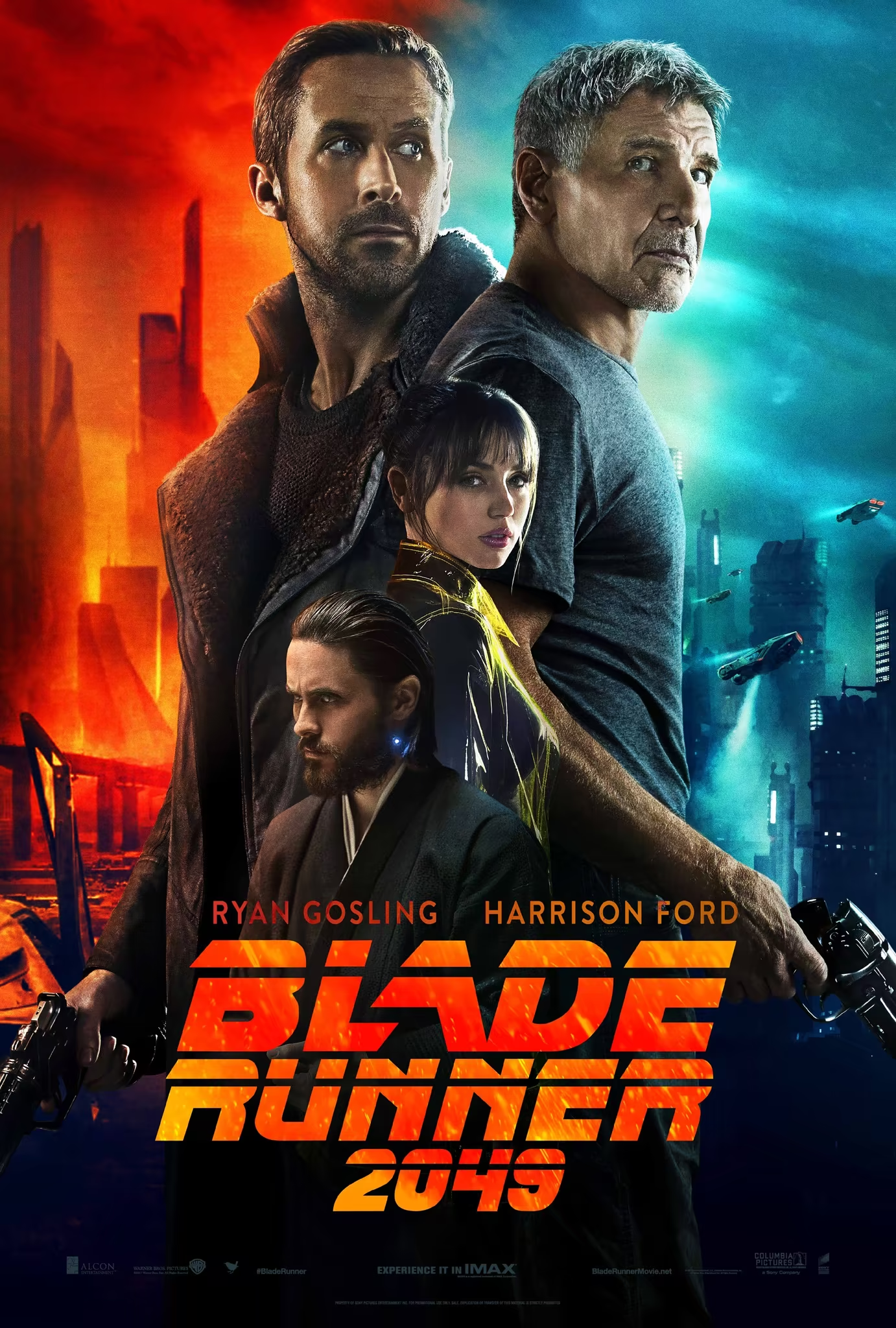
It’s one of those films that’s so good, you just can’t stop thinking about it. But did you know that this masterpiece has literary roots? It’s based on a book called Do Androids Dream of Electric Sheep? written by the iconic sci-fi writer Philip K. Dick. Delving into the pages of Philip K. Dick’s 1968 novel, readers are transported to a haunting post-apocalyptic realm where synthetic beings, or replicants, toil as enslaved labor. The narrative orbits around Rick Deckard, a blade runner tasked with tracking down renegade replicants, unraveling a tapestry of moral dilemmas and existential themes.
When Ridley Scott breathed life into the screen adaptation in 1982, he sculpted a parallel yet divergent universe, sculpting the neon-lit alleys of 2019 Los Angeles into a canvas for noir-infused introspection While both mediums probe the same themes, the film carves its own path, intertwining visual splendor with philosophical inquiry.
Whiskey Tango Foxtrot
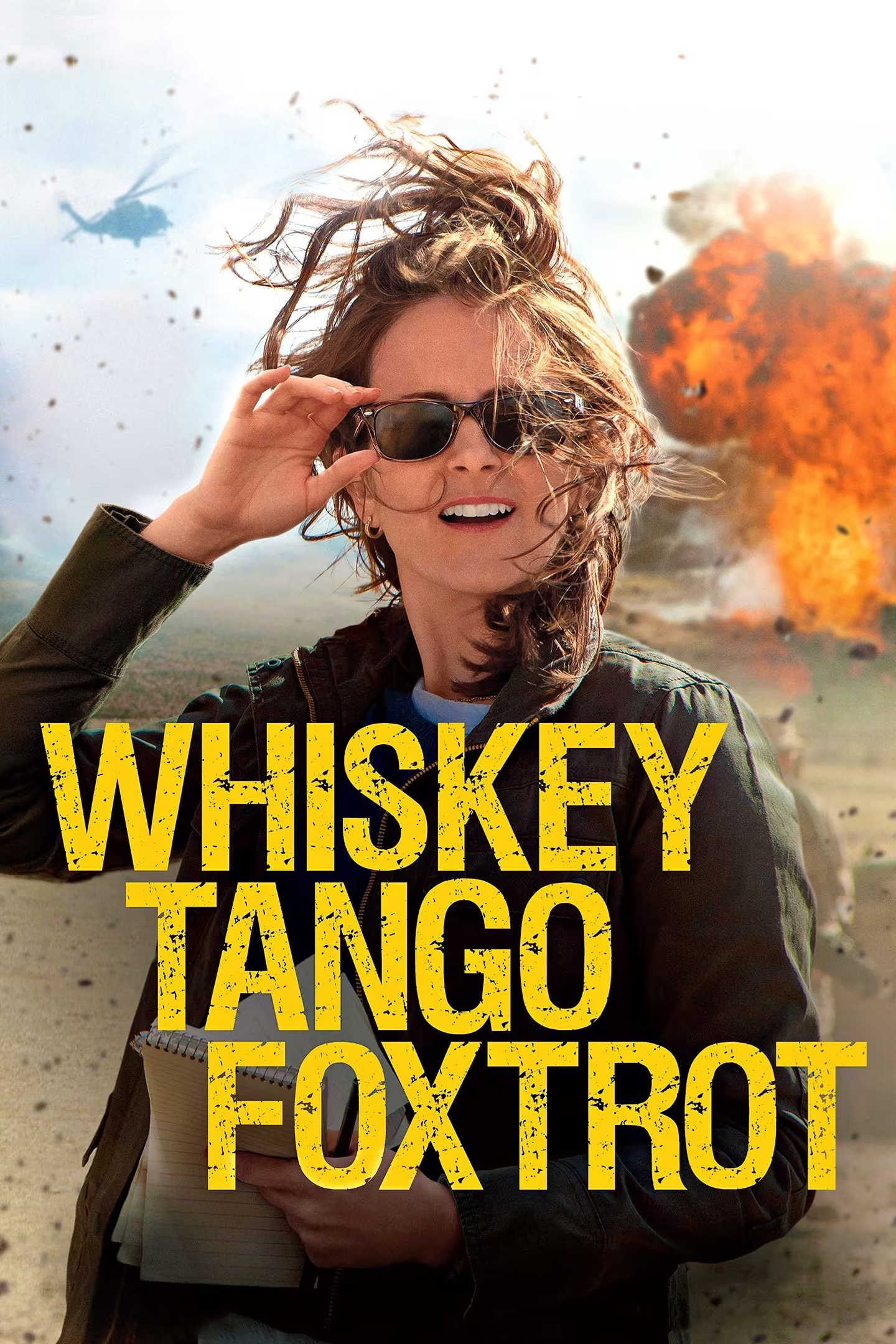
Whiskey Tango Foxtrot took on the challenge of bringing Kim Barker’s memoir, “The Taliban Shuffle: Strange Days in Afghanistan and Pakistan”, to the big screen. Barker’s 2011 book offered a gripping account of her time as a journalist covering the turmoil in Afghanistan and Pakistan for the Chicago Tribune. It delved deep into the complexities of the region, shedding light on the dangers faced by locals, as well as the political maneuvers at play. Barker’s experience as a woman in a war zone, grappling with cultural disparities and constant peril, is vividly portrayed.
Tina Fey’s portrayal of Kim Baker stayed true to the essence of Barker’s story, although some creative liberties were taken. Despite these changes, the film captured the essence of Barker’s journey, showcasing the challenges, cultural nuances, and the omnipresent danger she encountered.
Legally Blonde
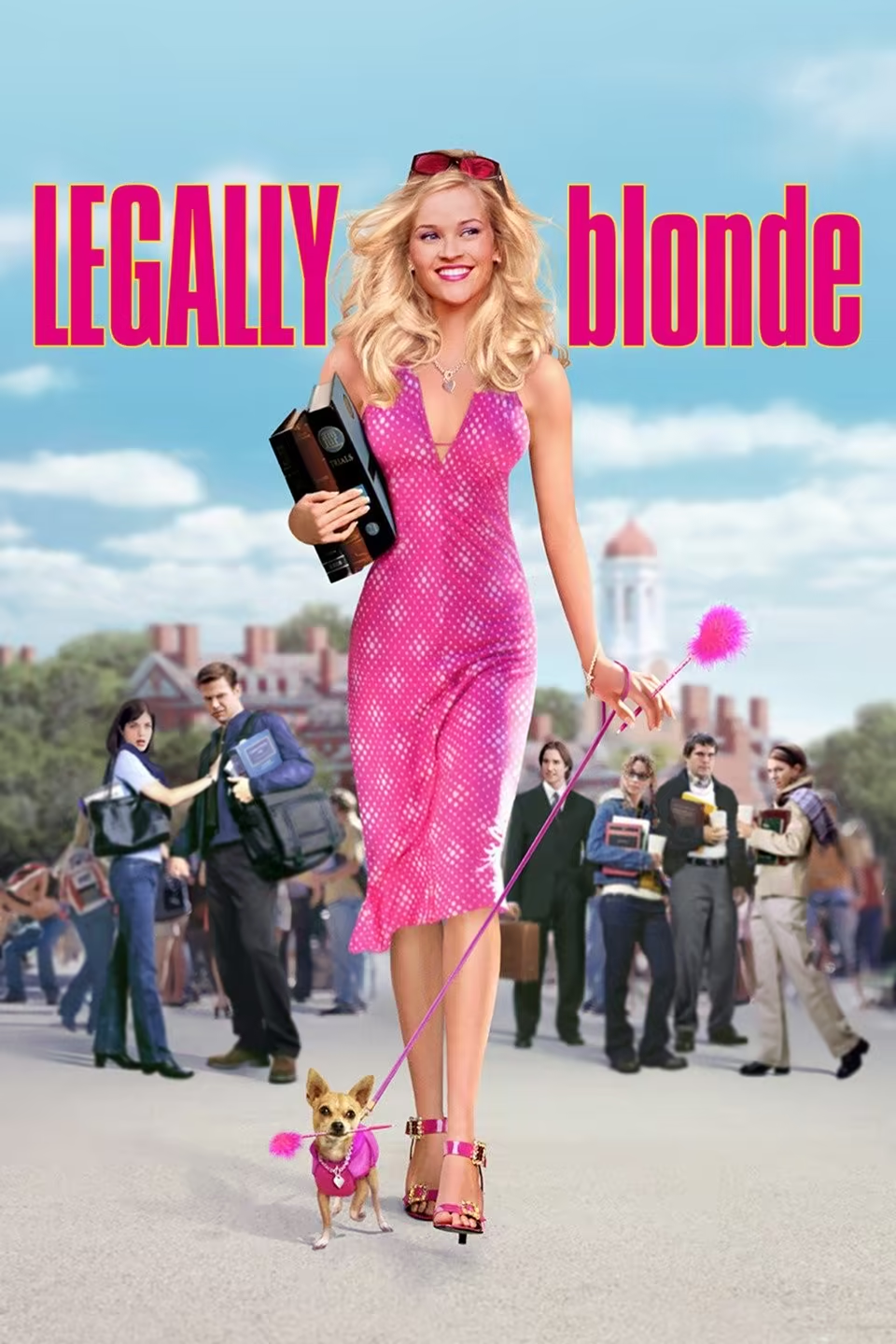
In 2001, amidst the glitz and glamour of Hollywood, audiences were swept away by the infectious charm of Legally Blonde, a cinematic triumph that showcased the journey of a seemingly ditzy sorority girl who defied all odds to conquer Harvard Law School. However, what many may not realize is that this delightful tale of empowerment and intellect originated from Amanda Brown’s novel of the same name. Brown’s book, Legally Blonde: The Unbelievable Story of a Ditzy Sorority Girl Who Actually Passed the Bar, lays the foundation for Reese Witherspoon’s iconic portrayal of Elle Woods.
Ooffering readers a deeper dive into the protagonist’s trials and triumphs. While the movie, under the direction of Robert Luketic, infuses the narrative with added humor and exaggeration, it remains faithful to Brown’s vision, proving that behind every blonde stereotype lies a formidable intellect waiting to shine.
American Sniper
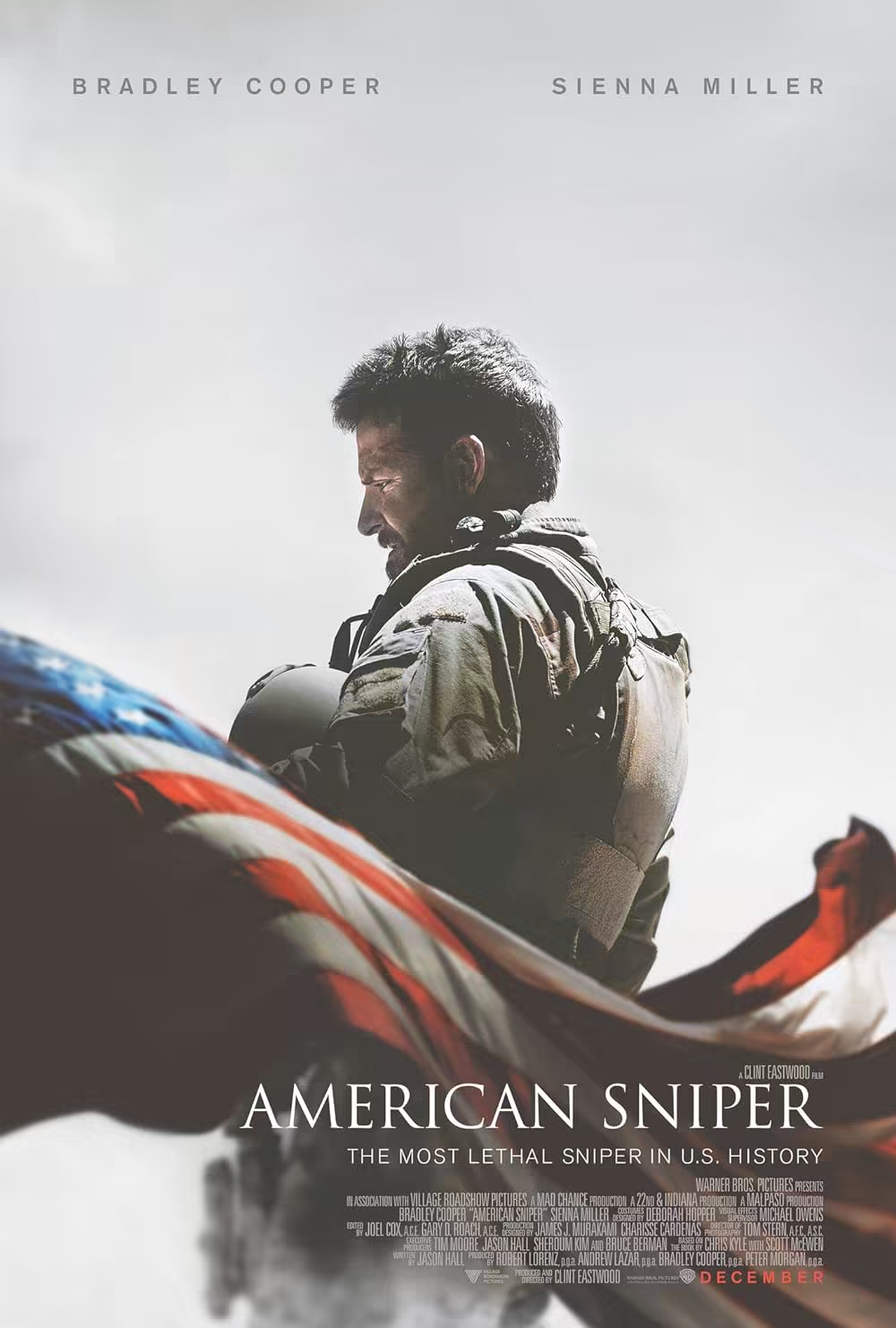
American Sniper is one of those movies that makes you think about all the stuff that goes on in the world that we don’t know about. And it’s all based on a book (or two, to be exact). The first one is “American Sniper: The Autobiography of the Most Lethal Sniper in U.S. Military History” written by Chris Kyle, and the second one is “American Sniper: Memorial Edition” written by Scott McEwen and Jim DeFelice. The first book is Kyle’s own account of his time as a Navy SEAL sniper during his four tours of duty in Iraq.
He talks about what it was like growing up, training, and then getting sent to a war zone. He also shares his thoughts and feelings about the war, his fellow soldiers, and the people he fought against. The movie, directed by Clint Eastwood and starring Bradley Cooper as Chris Kyle, is pretty faithful to the books.
Pitch perfect
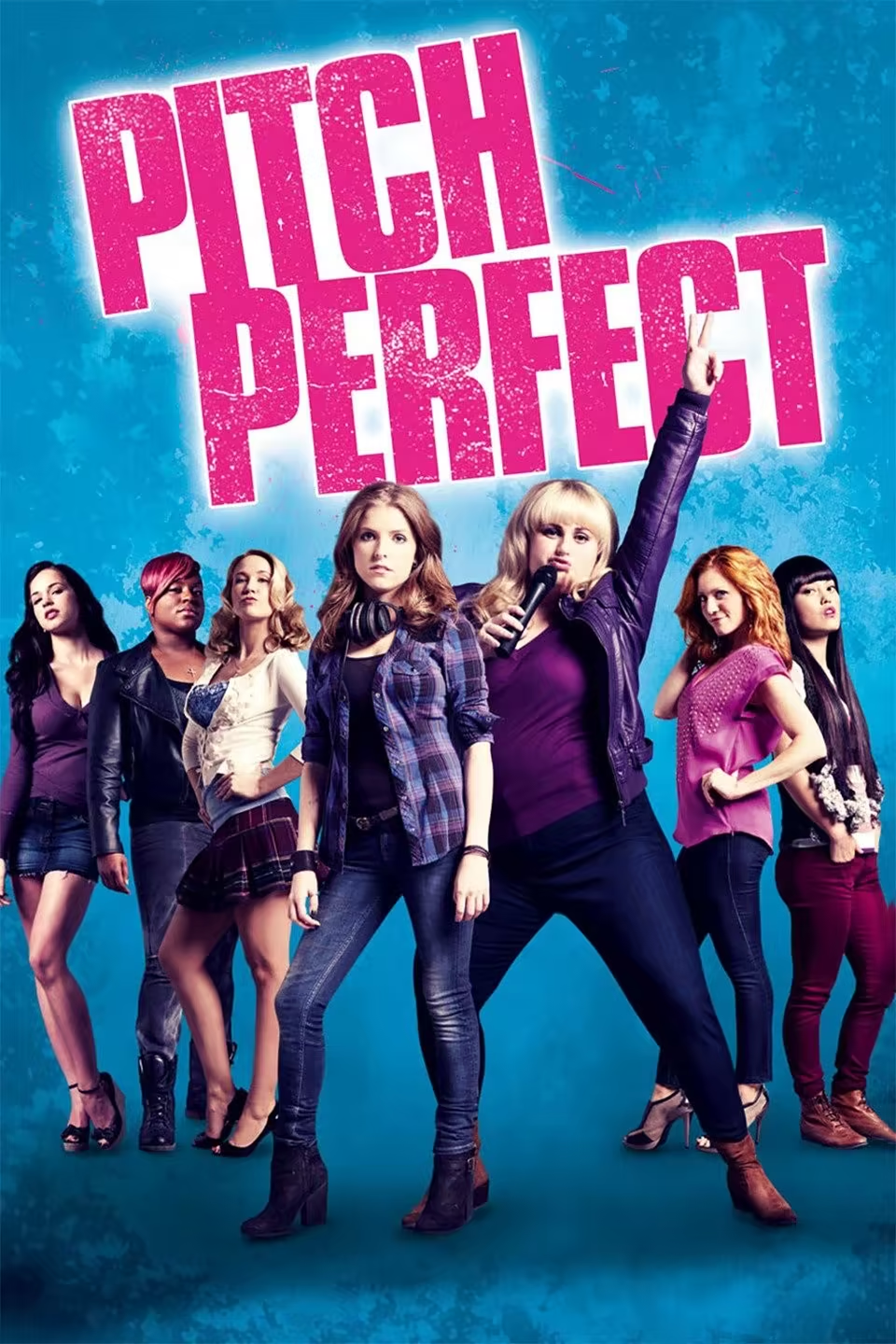
Ever wondered if Pitch Perfect had its roots in a book? Well, it’s a bit of a yes and no. While it’s not a direct adaptation, the movie drew inspiration from Mickey Rapkin’s non-fiction piece, “Pitch Perfect: The Quest for Collegiate A Cappella Glory”, published in 2008. Rapkin delves into the fiercely competitive realm of college a cappella, shadowing groups like the University of Oregon’s Divisi as they vied for the International Championship of Collegiate A Cappella. Offering an insider’s view of the rivalries, performances, and high-stakes contests, the book serves as a backdrop for film’s narrative.
Directed by Jason Moore and featuring Anna Kendrick, the movie crafts a fictional account centered on the Barden Bellas’ journey to ICCA victory. While it takes creative liberties with additional characters and romantic twists, the essence of Rapkin’s exploration remains intact, making for an entertaining homage to the a cappella world.
Mean Girls
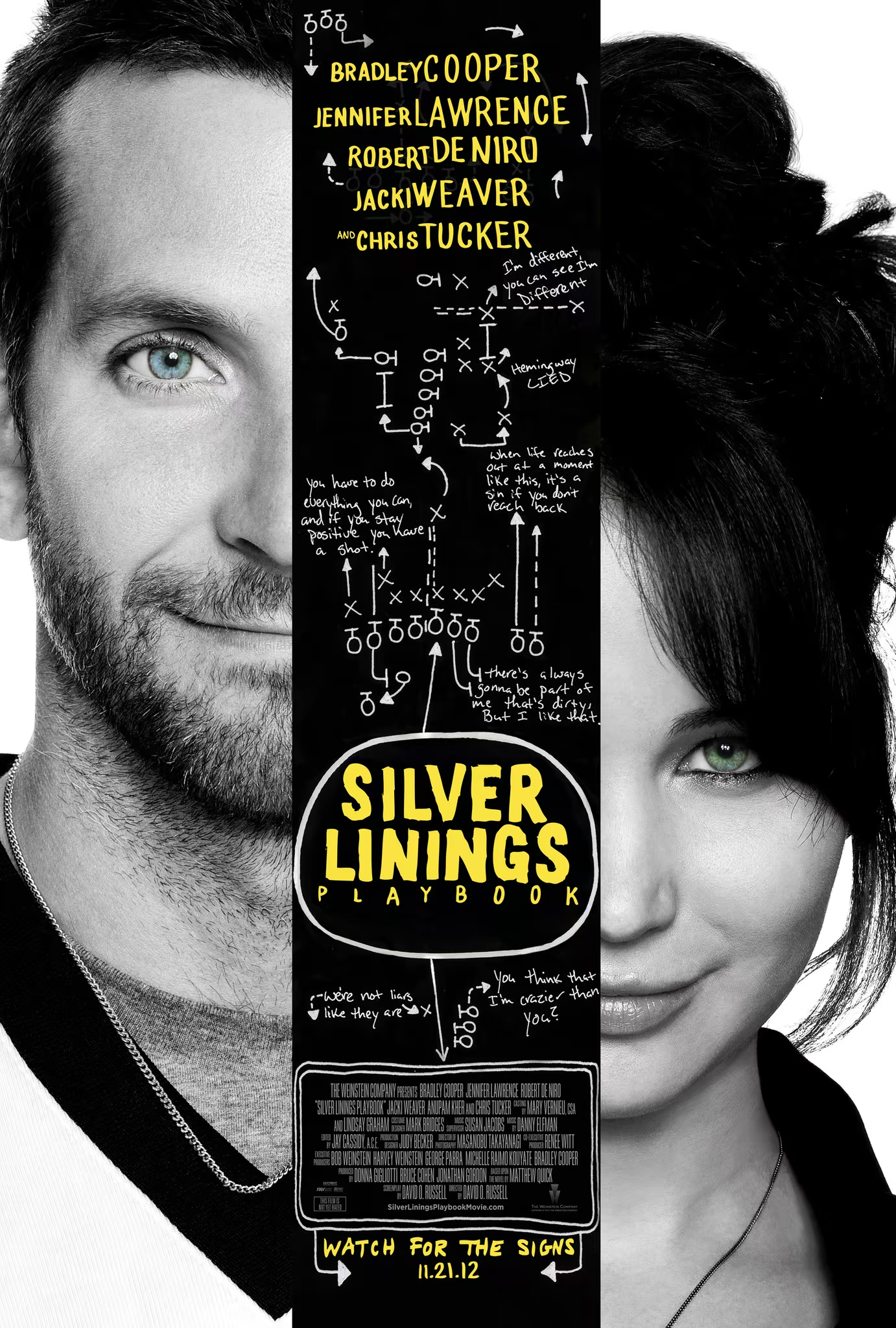
Silver Linings Playbook, the 2012 film that made you ugly cry and question your own sanity, is based on a novel with the same name, written by Matthew Quick. It tells the story of Pat Peoples, a man who has just been released from a mental institution after being committed following a breakdown. The movie was directed by David O. Russell, follows a similar structure and theme as the book, providing an honest and realistic look at the lives of two individuals dealing with mental illness and their struggles to navigate life and relationships.
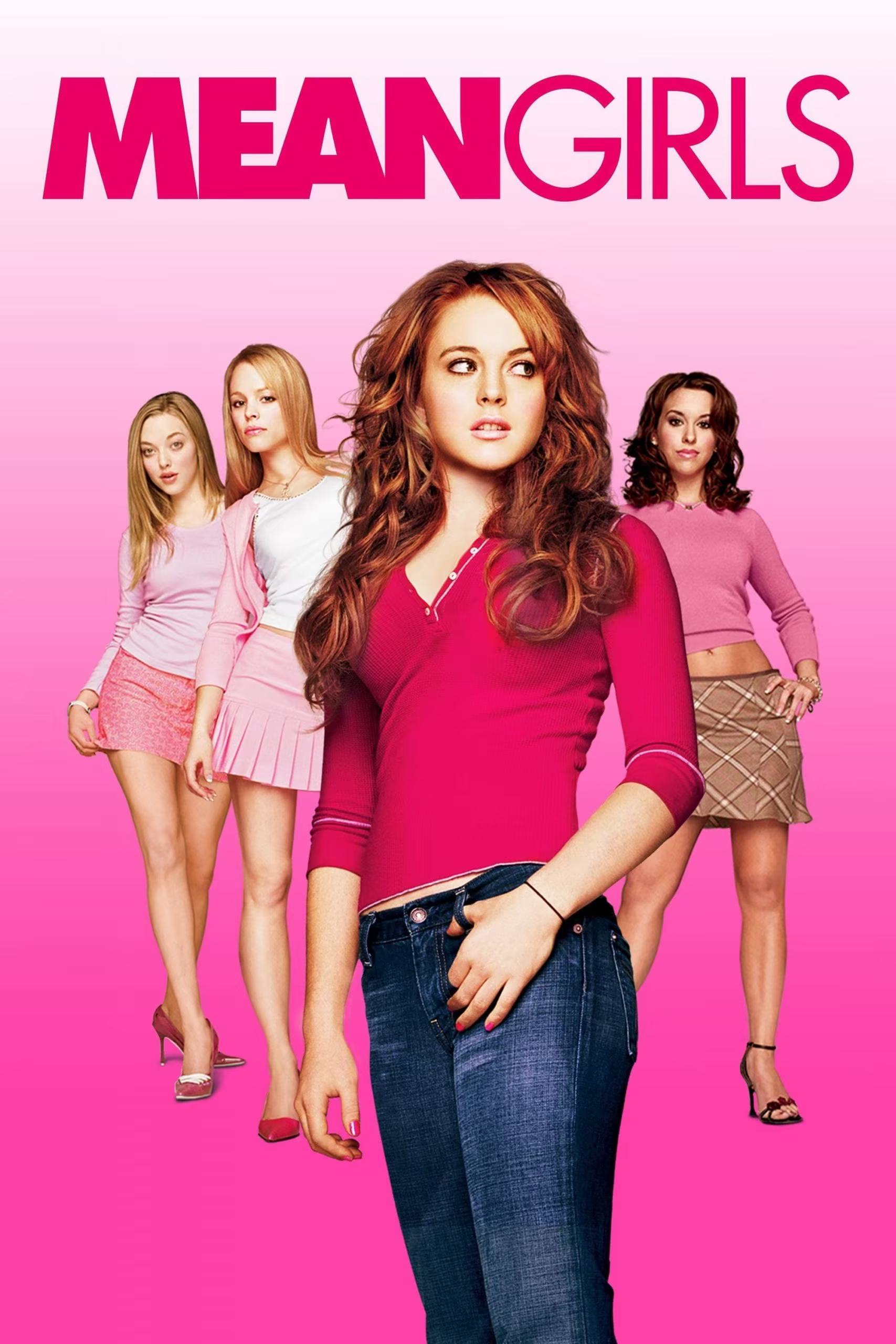
Tina Fey’s cinematic adaptation brilliantly brings Wiseman’s observations to life on the silver screen, following protagonist Cady Heron as she navigates the treacherous terrain of high school social dynamics. Fey seamlessly weaves Wiseman’s themes into the narrative, delivering a sharp and humorous commentary on the pressures of conformity and the quest for acceptance during the tumultuous teenage years.
Silver Linings Playbook
While it’s a common misconception, the movie Mean Girls is actually based on a non-fiction self-help book called “Queen Bees and Wannabes” by Rosalind Wiseman. Wiseman’s book, published in 2002, serves as a poignant guidebook for parents and educators, offering deep insights into the complexities of adolescent interactions. Through meticulous research and real-life anecdotes, Wiseman uncovers the hidden nuances of cliques and the relentless pursuit of popularity among teenage girls.
The performances of the main actors, particularly Jennifer Lawrence and Bradley Cooper were widely acclaimed, and the film was praised for its honest portrayal of mental health. So, there you have it folks, Silver Linings Playbook is not just a beautiful love story, but it’s also a reminder of how love and support can help to heal the wounds of the mind.