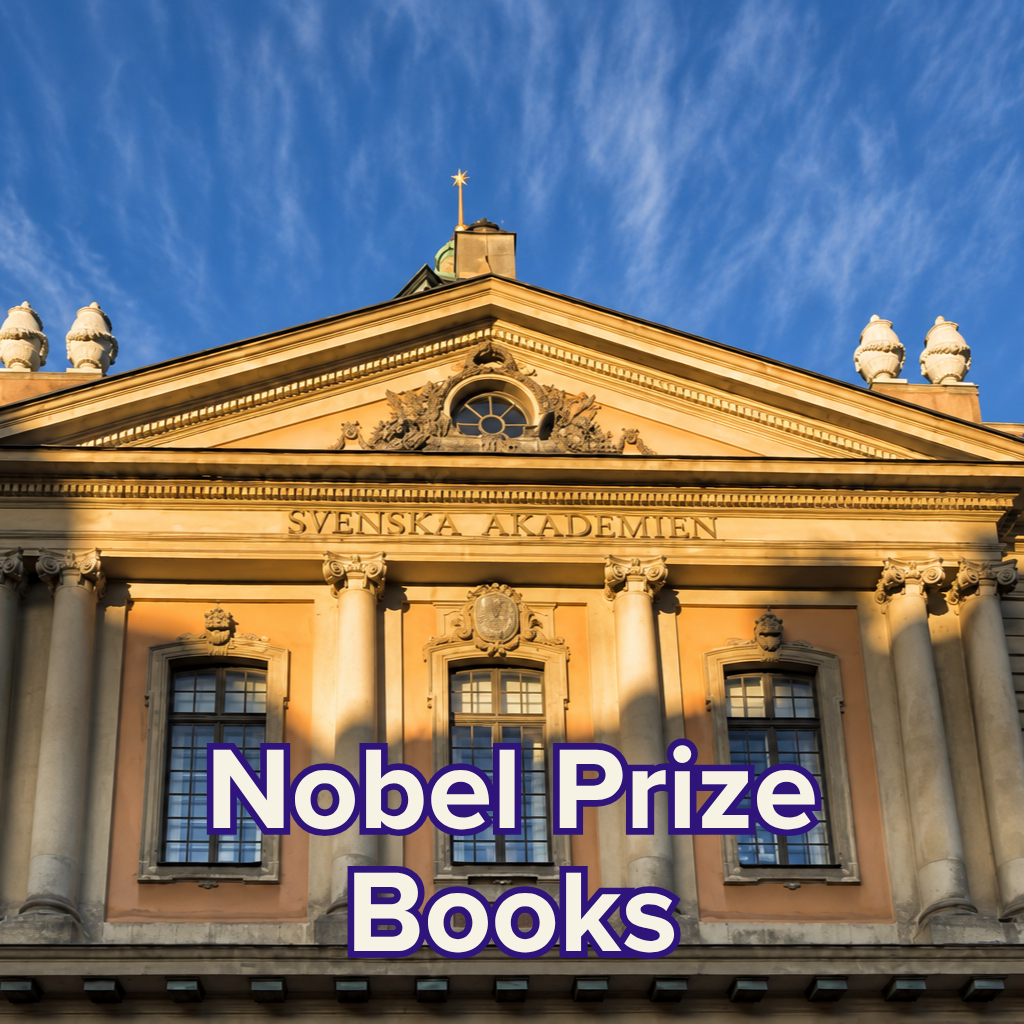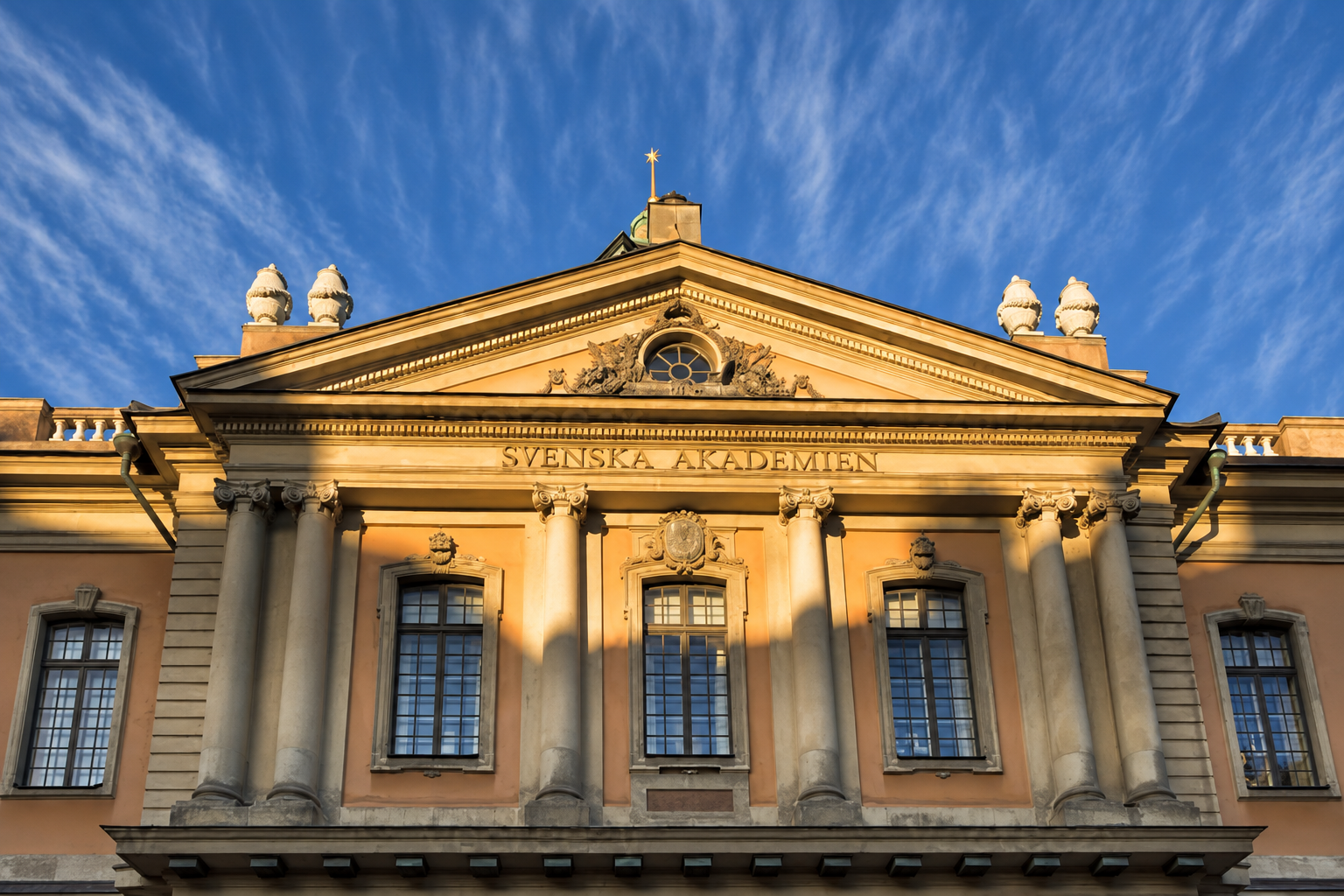
October brings a familiar literary ritual. Long before the Swedish Academy utters a name in Stockholm, readers start handicapping the field. Bookstores shuffle prize corners, podcasts revisit acceptance speeches, and the conversation quietly tilts toward one question: who might be next, and what has actually lasted from those who won before?
That double lens is why the Nobel Prize in Literature 2026 odds matter even if you never place a wager. They are a barometer for what the culture thinks literature is *for* right now, and the best way to answer them is to look backward at the books that justified the prize in the first place.
Table of Content
What Do Nobel Prize in Literature 2026 Odds Really Mean?
In short: Nobel Prize in Literature 2026 odds are not leaks from the Academy. They are a cultural betting market reflecting critics’ chatter, translation momentum, and recent literary reputation — useful for spotting who readers *think* the Academy might honor, not who it will
The Academy does not publish shortlists, shares deliberations under a 50-year seal, and has repeatedly surprised odds makers. When you see a name drift to the top of a bookmaker’s board, read it as signal layered with noise: a major English translation just landed, a lifetime-achievement retrospective toured Europe, or a region the prize hasn’t visited in a while is due for attention.
That makes the odds conversation most valuable as a reading guide. Rather than chasing prophecy, use it to notice which oeuvres are being seriously discussed — and why. A writer rising in the odds often means their books are newly accessible, newly relevant, or newly re-evaluated. The prize itself honors a body of work, not a single breakout year, so the conversation rewards those who have built a world across decades, not months.
What Makes a Work Worthy of the Nobel Prize in Literature?
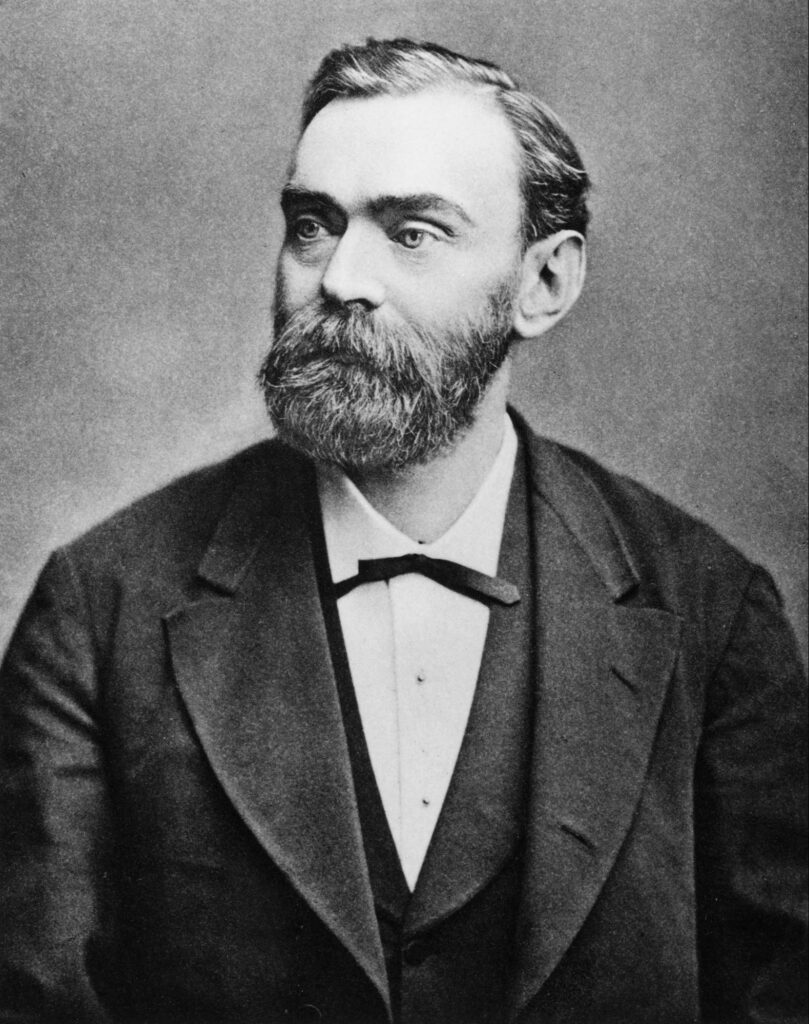
Alfred Nobel’s will asks for work in an ideal direction, interpreted by the Academy as lasting literary value with idealistic force. In practice, four criteria recur in citations and in the books that endure beyond ceremony.
A distinctive voice sustained across an oeuvre. The prize rarely crowns a one-off. It rewards a recognizable sensibility — syntax, image, moral attention — that holds across books. Think Toni Morrison‘s prophetic vernacular or Kazuo Ishiguro‘s restrained, haunted first persons. You can open at random and know whose world you are in.
Formal innovation that serves meaning, not novelty for its own sake. The Academy honors writers who bend form because the subject demands it. Gabriel García Márquez’s spiraling time in One Hundred Years of Solitude is not ornament; it is how memory and dictatorship feel in a town that cannot escape its past.
Engagement with history, memory, and moral pressure. From Svetlana Alexievich‘s chorus of witnesses to Wole Soyinka‘s prison and stage, worthy work puts private life under the weight of public history and refuses easy consolation. The ideal direction is rarely cheerful; it is honest.
Translatability and durability. A Nobel-worthy body of work travels. It survives translation without collapsing and survives re-reading after the headlines fade. The prose still cuts when the occasion that produced it is gone. That is why slim, perfect books like Jon Fosse‘s Septology or Annie Ernaux‘s The Years sit beside epics on the laureate shelf — scale matters less than staying power.
Who Are the Most Influential Nobel Prize in Literature Winners and What Should You Read?
Influence here does not mean popularity alone. It means changing what other writers believed was possible.
Early Laureates Who Set the Standard for International Reach and Modernist Ambition
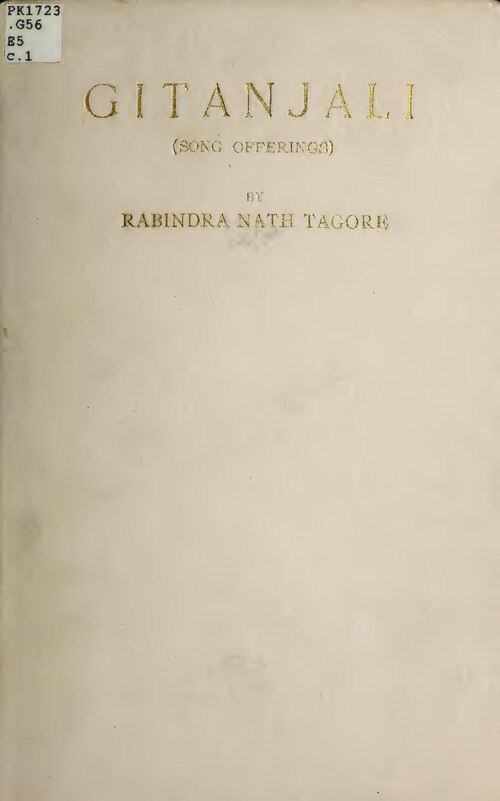
The early decades established that the prize would not be a European parlor game. Rabindranath Tagore (1913) proved a lyric tradition rooted in Bengal could address the world directly, while Selma Lagerlöf and later Thomas Mann demonstrated that large-scale narrative could carry philosophical weight without losing intimacy. These laureates set two enduring precedents: literature in any language could command global attention, and modernity — disillusion, myth, exile — belonged at the center of the canon, not its margins.
Early Laureates Who Set the Standard for International Reach and Modernist Ambition
If the early prize expanded reach, the mid-century prize refined craft under pressure. Ernest Hemingway pared prose to the bone because rhetoric had failed a generation. Albert Camus made the essay and the novel share an ethical spine. Yasunari Kawabata showed how silence and omission could carry what declaration could not. Together, these writers gave postwar fiction its tools: iceberg dialogue, the absurd as structure, beauty as restraint. Reading them now is less nostalgia than apprenticeship.
Contemporary Laureates Who Expanded the Canon Into Hybrid and Global Forms
The recent Academy has deliberately stretched definitions. Olga Tokarczuk threads maps, folklore, and essay into the novel; Abdulrazak Gurnah restores the Indian Ocean world to European letters; Louise Glück compresses myth into austere lyric. This expansion is not tokenism but technique — memoir braided with sociology in Ernaux, documentary polyphony in Alexievich. The contemporary laureate shelf argues that ideal direction now includes who gets to tell the story and what forms we allow that story to take.
| Laureate | Year Awarded | Start With This Book | Why It Endures |
| Toni Morrison | 1993 | Beloved | A formal breakthrough that made historical trauma singable and unforgettable. |
| Gabriel García Márquez | 1982 | One Hundred Years of Solitude | Invented a vocabulary for how power and memory warp time itself. |
| Wisława Szymborska | 1996 | Map: Collected and Last Poems | Irony and moral clarity in miniature; every poem reframes the obvious. |
| Kazuo Ishiguro | 2017 | Never Let Me Go | Quiet dystopia that asks what remains human when systems decide. |
| Svetlana Alexievich | 2015 | Secondhand Time | Oral history elevated to literature; a chorus replaces a single hero. |
What Are the Best Nobel Prize Winning Books to Start With?
For first-time readers: start with a Nobel Prize winning book that matches your reading appetite, not the most famous title by default. If you love novels, begin with Morrison or Ishiguro. If you prefer essays and witness, try Alexievich. If poems are your door, Szymborska is immediate and rereadable.
The best Nobel Prize literature winners offer entry points at different lengths and temperatures. You do not need to begin with the longest book.
| If You Love… | Best Starting Point | Expect |
| Lyrical novels with historical depth | Toni Morrison, Beloved | Intense, chanted prose; demands slow reading. |
| Playful epics and magical realism | Gabriel García Márquez, One Hundred Years of Solitude | Generational sprawl, humor shading into grief. |
| Spare, unsettling moral fiction | Kazuo Ishiguro, The Remains of the Day | Understatement that accrues devastating force. |
| Poetry that rethinks everyday life | Wisława Szymborska, Map: Collected and Last Poems | Witty, brief poems ideal for daily reading. |
| Documentary literature and real voices | Svetlana Alexievich, Voices from Chernobyl | No single narrator — history as lived testimony. |
| Short, meditative contemporary prose | Jon Fosse, Septology (I–VII) | Hypnotic repetition, spiritual attention. |
What Are Common Misconceptions About the Nobel Prize in Literature?
The prize always rewards the year’s bestseller. Not so. Sales are invisible to the citation. The Academy has often chosen writers well before or long after their commercial peak, honoring consistency over buzz. Olga Tokarczuk was acclaimed in Poland for years before Flights found its larger English audience.
An opposite myth persists: that obscurity itself is the point, that the Academy prefers the unreadable to seem serious. The record cuts against it. Hemingway, Camus, and Morrison were already widely read; their selection affirmed a public conversation rather than inventing one.
Politics explains everything, so the work doesn’t matter. Politics informs context, never substitutes for literary judgment. A laureate like Soyinka was chosen while in direct conflict with power, yes — but because his plays and poems made that conflict into language that outlived the news cycle. The committee rewards how a writer transmutes politics into form.
Then there’s the quiet disappointment myth: One weak novel invalidates the prize. It doesn’t. The Nobel honors a body of work. Even major laureates wrote uneven books. Read across the oeuvre — a late essay, an early story — and the project clarifies.
Finally, the genre blind spot: only novels count. The roster disproves it. Poetry (Glück, Szymborska, Seamus Heaney), drama (Harold Pinter, Soyinka), and nonfiction as literature (Alexievich) have all taken the prize. If you limit yourself to novels, you miss half the argument.
How to Choose Your First Nobel Prize Winning Books Without Getting Overwhelmed?
Don’t attempt a chronological march from 1901. Curate by temperament and time.
Pick one appetite: story, language, or witness. Story-seekers should live inside a world — Morrison, Márquez, Gurnah. Language-first readers should stay close to the sentence — Szymborska, Glück, Fosse. Those drawn to witness should start with polyphony — Alexievich, then Ernaux.
Cap the commitment. Give a book 50 pages. If the cadence hasn’t caught you, switch laureates, not literature. The best Nobel Prize winning books are varied enough that a mismatch is about fit, not quality.
Read in translation without apology, but choose translators with care. For Tokarczuk, look for Jennifer Croft; for Fosse, Damion Searls. A steady translator is often the quiet co-author of your experience.
And keep the 2026 odds in perspective. Use the speculation as a prompt to sample one contender’s short book before October — 120 pages is enough to form a judgment that is yours, not the market’s. When the announcement lands, you will hear it differently: not as a verdict on a horse race, but as an invitation to a bookshelf you already know something about.
The Academy’s choice each year is provisional. Yours doesn’t have to be. The durable pleasure of Nobel Prize winning books is not that they won, but that — years later, alone in a room — they still win you over, sentence by sentence, without needing any odds at all.